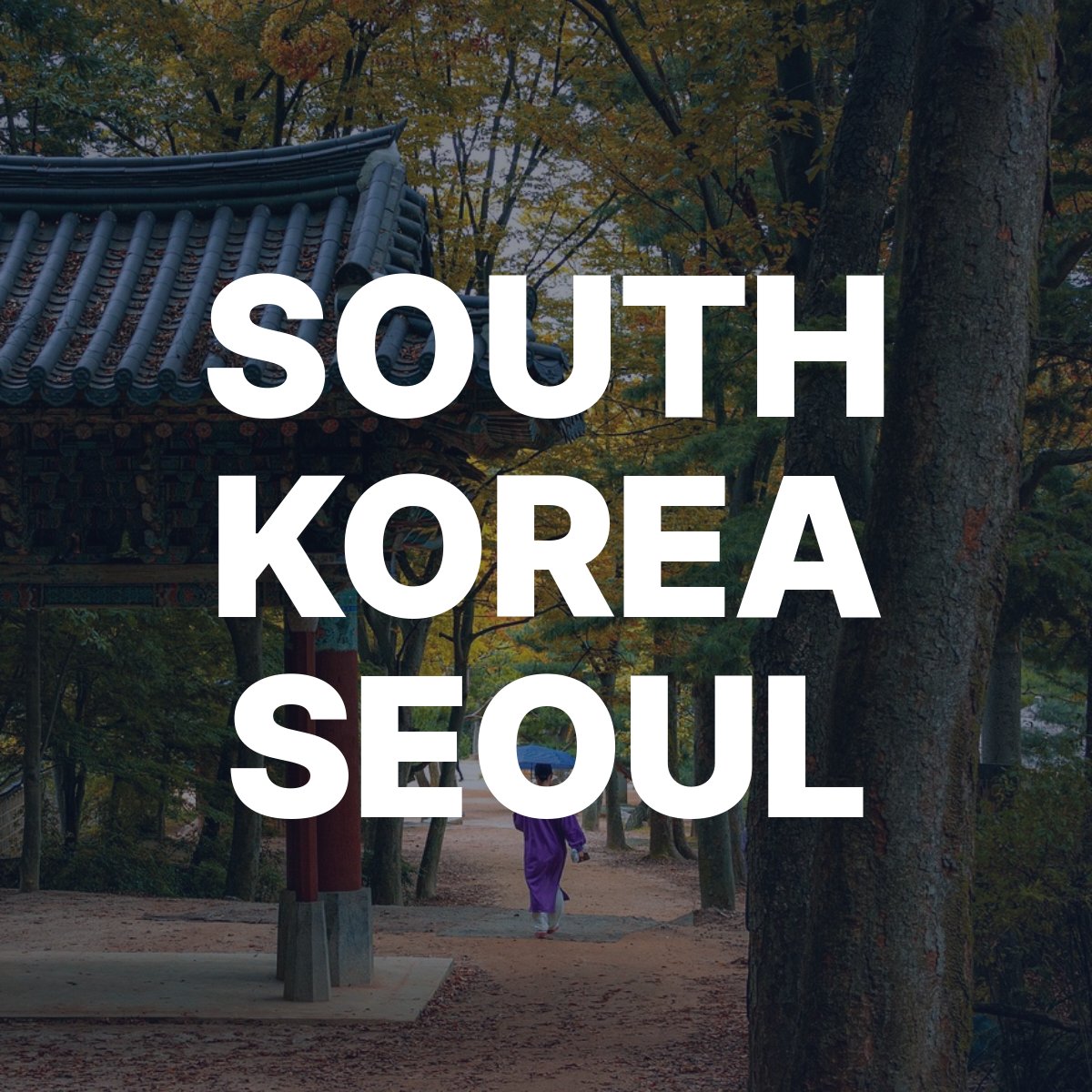
What Is South Korea Seoul: 7 Essential Travel Facts You Must Know
Are you planning your first trip to South Korea’s capital city but unsure where to start? Many international travelers struggle to understand Seoul’s unique blend of ancient traditions and cutting-edge modernity. This comprehensive guide will walk you through everything you need to know about Seoul, from its geographic significance to practical travel advice. I’ve personally explored every major district and gathered expert insights to help you make the most of your visit. By the end of this article, you’ll have a complete roadmap for experiencing Seoul like a seasoned traveler.
What Is Seoul Korea: Understanding the Capital’s Identity
Seoul is the capital city of South Korea and serves as the nation’s largest metropolitan area. According to recent data, Seoul’s metropolitan region hosts approximately 26 million inhabitants, making it one of the world’s largest urban centers. The city sprawls across both sides of the Han River, which divides Seoul into northern and southern districts that each offer distinct characteristics.
The name “Seoul” is believed to derive from an ancient word meaning “capital” in the Korean language. This historic city has been a center of power and culture for centuries, serving as the royal seat during the Joseon Dynasty and continuing as the modern nation’s heart today. Seoul’s geographic location in northwestern South Korea makes it a crucial hub for commerce, politics, and cultural exchange in East Asia.
I’ve discovered that understanding Seoul’s administrative divisions is crucial for effective navigation. The city contains 25 districts called “gu,” each with its own personality and attractions. For example, Gangnam is known for luxury shopping and technology companies, while Jongno-gu houses traditional palaces and cultural heritage sites. Therefore, your first step should be identifying which districts align with your interests before booking accommodations.
The city demonstrates remarkable economic significance, ranking third globally in terms of GDP by metropolitan area. Seoul accounts for approximately 49% of South Korea’s total GDP according to recent World Bank statistics. This economic dominance translates into world-class infrastructure, exceptional public transportation, and abundant international amenities that make Seoul exceptionally tourist-friendly for visitors from any background.
Seoul’s climate follows a temperate monsoon pattern with four distinct seasons. Winters are cold and relatively dry, while summers bring humidity and occasional heavy rainfall. Spring and autumn offer ideal visiting conditions with moderate temperatures between 15-25°C. Understanding these seasonal patterns helps you pack appropriately and plan activities that match your comfort preferences throughout your stay.
How Can I Get Started Visiting South Korea Seoul: A Practical Guide
Getting started with your Seoul adventure requires systematic planning across several key areas. First, you must secure proper documentation and arrange your arrival. Most international travelers need a valid passport with at least six months validity remaining. Citizens of many countries enjoy visa-free or visa-on-arrival entry to South Korea for stays up to 90 days, though verification through your nearest embassy is essential.
I personally recommend booking your flights approximately 2-3 months in advance to secure better rates. Seoul has two major airports: Incheon International Airport, located approximately 60 kilometers from Seoul Station, and Gimpo International Airport, positioned approximately 24 kilometers from downtown Seoul. Incheon handles most international flights and offers excellent ground transportation options including airport railroads, buses, and ride-sharing services. My experience shows that the Airport Railroad Express takes approximately 43 minutes to reach central Seoul and costs around 9,500 KRW (approximately $7-8 USD), making it the most economical choice for express service. For budget-conscious travelers, the All-Stop Train offers fares of 4,150-4,750 KRW with a longer travel time of approximately 56-59 minutes.