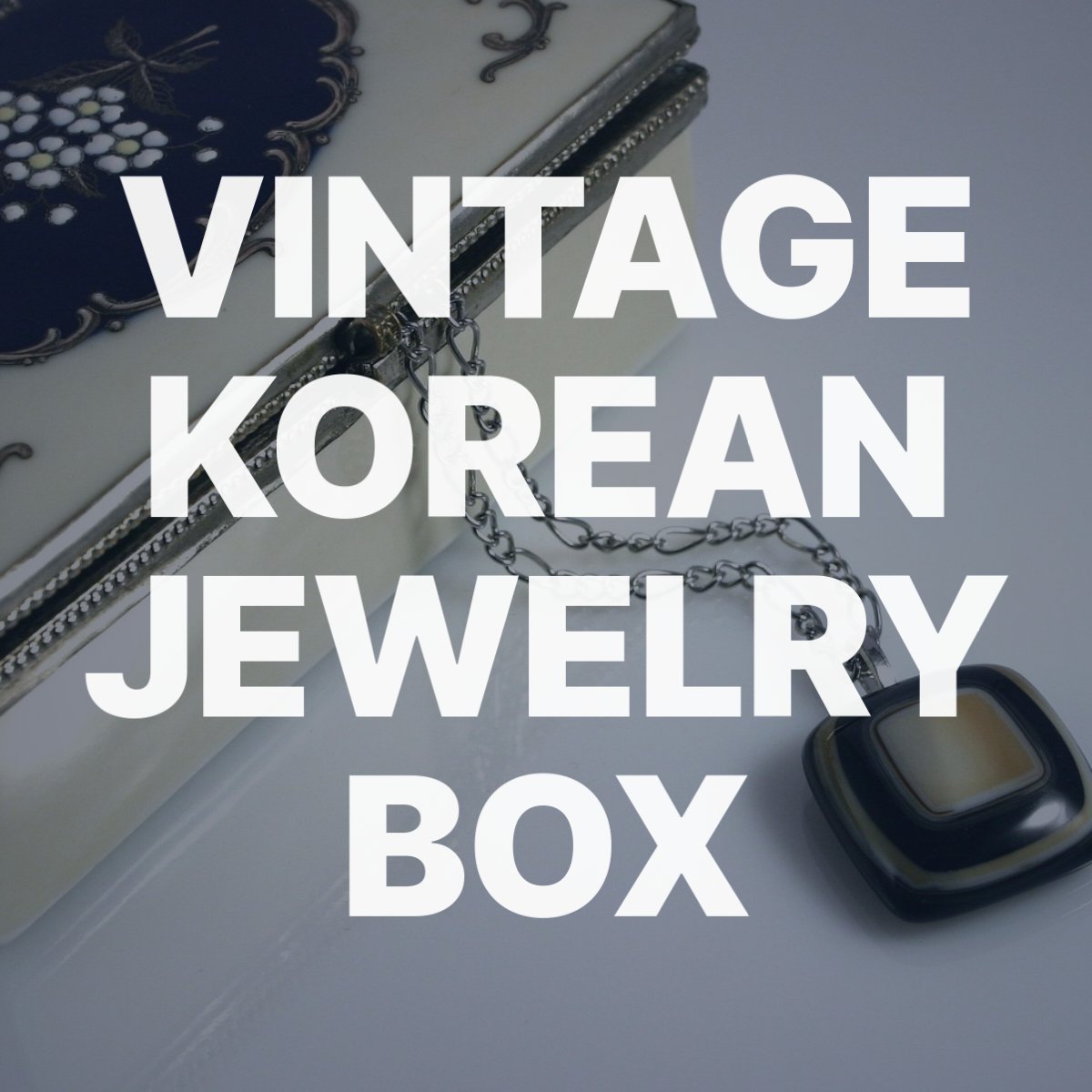
I remember the moment I first held a vintage Korean jewelry box in my hands. The intricate mother of pearl designs shimmered under the antique shop’s dim lighting, and I knew I had discovered something extraordinary. That encounter five years ago sparked my passion for collecting these remarkable pieces of Korean cultural heritage. Each vintage Korean jewelry box tells a unique story through its craftsmanship, materials, and decorative elements that have captivated collectors worldwide.
These traditional storage pieces represent more than just functional items. They embody centuries of Korean artistic tradition and meticulous attention to detail. Whether you are a seasoned collector or someone who recently inherited a family heirloom, understanding what makes these boxes valuable transforms your appreciation for them. The market for authentic vintage Korean jewelry boxes has grown significantly, making knowledge about identification and preservation essential for anyone interested in these treasures.
Identifying Authentic Vintage Korean Jewelry Boxes
Determining authenticity requires careful examination of specific characteristics that distinguish genuine vintage pieces from modern reproductions. Start by inspecting the mother of pearl inlay work, which remains the most telling feature of authentic vintage Korean jewelry boxes. Genuine pieces display irregularities in the nacre thickness and slight color variations that machine-made replicas cannot duplicate. I learned this lesson after purchasing what I thought was a bargain, only to discover the perfectly uniform inlay indicated modern manufacturing.
Examine the wood base closely because authentic vintage boxes typically use paulownia wood, known in Korea as “ohdong.” This lightweight yet durable wood develops a distinctive patina over decades. Run your fingers along the edges and corners to feel for natural wear patterns that accumulate through years of use. Reproductions often artificially distress these areas, but the wear feels uniform rather than organic. Check the interior for hand-cut dovetail joints or traditional Korean joinery techniques that reflect the maker’s skill.
The brass hardware provides another crucial authentication point for your vintage Korean jewelry box. Original pieces feature hand-forged brass fittings with slight imperfections and a warm, aged patina. Modern reproductions use stamped brass that appears too shiny or artificially darkened. I always test the hinges by opening and closing the lid multiple times because vintage hardware moves with a certain weighted quality that new hardware cannot replicate. Look for scratches and natural oxidation around lock plates and corner protectors.
Pay attention to the overall proportions and design elements that characterize different Korean regions and time periods. Boxes from the Joseon Dynasty era often feature more restrained decoration compared to pieces from the early 20th century, which might incorporate more elaborate floral and nature motifs. Document any maker’s marks or stamps you find, though many traditional craftsmen did not sign their work. Compare your piece with authenticated examples in museum collections or reputable dealer catalogs. Take multiple photographs under natural lighting to capture the true colors and condition for future reference or expert consultation.
Materials and Craftsmanship That Define Quality
The materials used in vintage Korean jewelry boxes directly impact their value, durability, and aesthetic appeal. Mother of pearl, harvested from abalone shells found in Korean coastal waters, creates the signature decorative elements that make these boxes instantly recognizable. Artisans hand-cut each tiny piece of nacre, sometimes no larger than a grain of rice, before individually setting them into carved recesses in the wood surface. This painstaking process could take weeks or months for a single box, depending on the complexity of the design.
Quality vintage Korean jewelry boxes showcase specific inlay techniques that reveal the craftsman’s expertise. The “kkul jeom” or honey dot technique creates delicate floral patterns using minute pieces of shell arranged in precise geometric formations. Another method called “kkeokji” involves cutting shell into thin strips for creating linear designs and borders. I have examined pieces where the shell pieces fit so tightly together that you cannot slip even a razor blade between them. This seamless integration distinguishes museum-quality work from average pieces.
The lacquer finish applied over the mother of pearl and wood serves both protective and aesthetic purposes in your vintage Korean jewelry box. Traditional Korean lacquer, derived from the sap of the lacquer tree, creates a deep, lustrous surface that deepens in color over time. Authentic vintage pieces typically feature multiple layers of lacquer, each hand-rubbed and polished before applying the next coat. This labor-intensive process results in a finish that feels glass-smooth yet remains flexible enough to expand and contract with the wood. Modern polyurethane finishes lack this characteristic warmth and depth.
Examine the interior compartments and their configuration because these details reflect both functionality and craftsmanship quality. Better vintage Korean jewelry boxes include silk or cotton-lined dividers, mirror panels on the underside of lids, and hidden compartments for valuable items. The fabric linings, though often worn or faded, typically use traditional Korean textiles with subtle patterns. Some exceptional pieces incorporate miniature drawers with their own mother of pearl decoration. Check how smoothly these moving parts operate, as skilled craftsmen ensured perfect tolerances that remain functional decades later. The presence of original keys, though rare, significantly increases a box’s collectibility and value.
Caring for and Restoring Your Vintage Korean Jewelry Box
Proper maintenance ensures your vintage Korean jewelry box remains in excellent condition for future generations. Control the storage environment first because extreme temperature fluctuations and humidity changes cause the most damage to these delicate pieces. I learned this the hard way when I stored a box in my garage, only to find cracks in the lacquer and lifting mother of pearl after one harsh winter. Maintain relative humidity between forty-five and fifty-five percent, and keep temperatures stable between sixty-five and seventy-five degrees Fahrenheit.
Clean your vintage Korean jewelry box using gentle methods that preserve the original finish. Dust regularly with a soft, lint-free cloth, working in the direction of the wood grain and around inlay work carefully. Never use commercial furniture polishes or cleaning solutions because the chemicals damage traditional lacquer finishes and can cloud the mother of pearl. For stubborn dirt accumulation, slightly dampen your cloth with distilled water only. Dry the surface immediately with another clean cloth. I clean my collection every three months using this simple method, which keeps them looking beautiful without causing harm.
Address minor damage promptly before problems worsen and require professional intervention. If small pieces of mother of pearl become loose, resist the temptation to reattach them with modern adhesives. Instead, consult a conservator who specializes in Asian decorative arts and understands traditional materials and techniques. Document any damage with photographs before attempting any work. For scratches in the lacquer finish, professional restoration using traditional methods preserves the piece’s value, while amateur repairs often decrease it significantly.
Store your vintage Korean jewelry box properly when not displaying it to prevent unnecessary wear. Wrap the piece in acid-free tissue paper, never newspaper or regular wrapping paper that contains harmful chemicals. Place wrapped boxes in sturdy containers that provide protection from impacts and light exposure. I use archival-quality storage boxes sized appropriately to prevent shifting during handling. Label each storage container clearly with contents and condition notes. Keep a detailed inventory with photographs, measurements, provenance information, and any restoration history. This documentation proves invaluable for insurance purposes and helps future owners understand each piece’s significance and care requirements.
Consider professional conservation assessment every few years for valuable pieces in your collection. Experts can detect early signs of wood rot, pest damage, or structural issues that might not be visible to untrained eyes. They also provide guidance on whether restoration work would enhance or diminish a specific box’s value. Some collectors prefer the honest wear of age, while others want pieces restored to near-original condition. Understanding these options helps you make informed decisions aligned with your collecting goals.
My journey collecting vintage Korean jewelry boxes has taught me patience, research skills, and deep appreciation for traditional Korean craftsmanship. These beautiful objects connect us to centuries of artistic tradition while providing functional storage for our own treasures. The knowledge I have gained through careful study and occasional mistakes has made me a more confident and discerning collector. Each piece in my collection represents a unique expression of Korean cultural heritage worth preserving for future generations.
Start your own collection by visiting reputable antique dealers, estate sales, and online marketplaces specializing in Asian decorative arts. Join collector groups and forums where experienced enthusiasts share knowledge and sometimes offer pieces for sale. Study museum collections and auction catalogs to train your eye for quality and authenticity. Begin with moderately priced pieces while you develop your expertise, then gradually acquire more significant examples as your knowledge grows. The vintage Korean jewelry box market offers opportunities at every price point, from affordable small pieces to museum-quality treasures.
Frequently Asked Questions
❓ What is Vintage Korean Jewelry box?
A vintage Korean jewelry box is a traditional storage piece featuring intricate mother of pearl inlay work on paulownia wood base. These boxes were handcrafted by Korean artisans primarily during the Joseon Dynasty through the mid-20th century. They showcase distinctive Korean decorative techniques and serve both functional and artistic purposes. Authentic pieces are valued by collectors worldwide for their craftsmanship and cultural significance.
❓ How can I get started?
Begin by researching authentic examples through museum collections and reputable dealer catalogs to train your eye. Visit antique shops specializing in Asian decorative arts and examine pieces in person to understand quality markers. Start with affordable smaller boxes while developing your authentication skills. Join collector forums to learn from experienced enthusiasts. Document each purchase with photographs and provenance information to build your collection knowledge systematically.
❓ What are common mistakes?
Many new collectors purchase modern reproductions believing they are authentic vintage pieces. Using harsh chemical cleaners damages traditional lacquer finishes permanently. Storing boxes in uncontrolled environments causes cracking and mother of pearl lifting. Attempting DIY repairs with modern adhesives decreases value significantly. Paying premium prices without verifying authenticity through expert consultation. Avoid these mistakes by educating yourself thoroughly before making significant purchases and always prioritizing proper conservation methods.