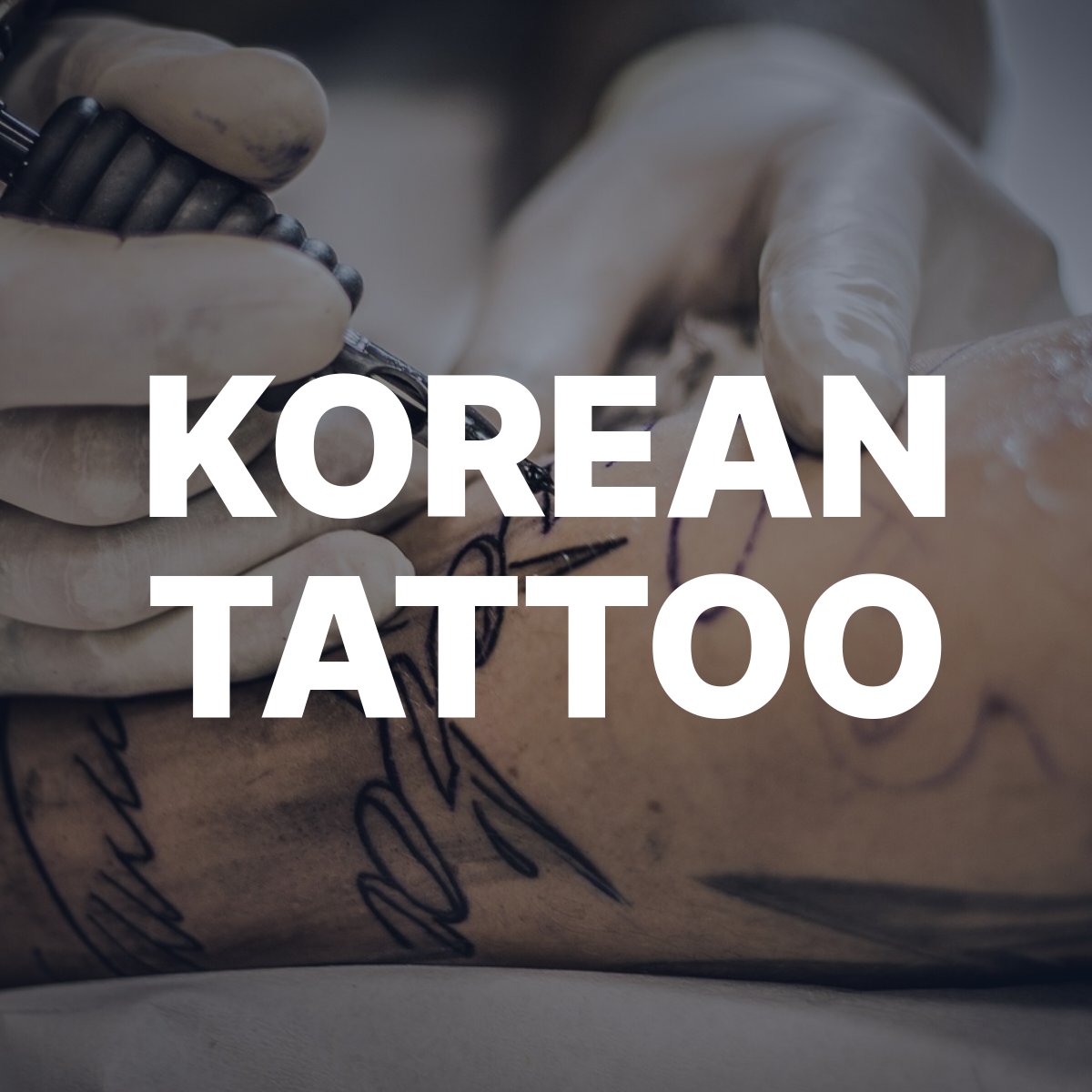
I walked into my first Korean tattoo studio three years ago with zero expectations. The minimalist storefront in Seoul’s Hongdae district looked nothing like the bold, traditional parlors I had visited before. What happened next completely shifted my understanding of body art. Korean tattoo culture operates on different principles than Western approaches, focusing on delicate line work, subtle shading, and designs that age gracefully over decades. My first piece was a simple floral design on my forearm, and the precision blew me away. The artist spent forty minutes just outlining, ensuring every curve flowed naturally. That experience taught me why Korean tattoo styles have exploded in popularity worldwide. Today, I wear five Korean-inspired pieces, each telling a story about patience, craftsmanship, and artistic restraint. This journey showed me that choosing the right tattoo style matters as much as the design itself. Understanding what makes Korean tattoos unique will help you make informed decisions about your next piece. Let me share what I learned through trial, research, and countless conversations with artists.
Why Korean Tattoo Style Transformed My Body Art Journey
Korean tattoo style distinguishes itself through three core characteristics that changed how I approach body art. First, the fine line technique creates incredibly detailed work that remains legible for years. My artist explained that Korean tattoo artists typically use single needles or tight groupings, producing lines thinner than human hair. This precision allows for intricate patterns, delicate florals, and hyper-realistic portraits that Western bold-line approaches cannot achieve. I noticed the difference immediately when comparing my Korean floral piece to my older traditional American tattoo. The detail level was incomparable.
Second, the minimalist aesthetic philosophy guides every design choice. Korean culture emphasizes restraint and negative space, principles that translate beautifully to skin art. My second Korean tattoo was a simple mountain landscape on my ribcage. The artist used minimal shading, letting my skin tone create depth naturally. This approach produces tattoos that look like watercolor paintings rather than heavy ink saturation. Friends constantly ask about this piece because it appears almost ethereal. The minimalism also means faster healing times and less skin trauma, something I appreciated during recovery.
Third, Korean tattoo artists prioritize longevity over immediate impact. This mindset shift was crucial for me. Western tattoo culture often celebrates bold, high-contrast designs that photograph dramatically but may blur over time. Korean artists design for how the tattoo will look in twenty years, not just twenty days. They avoid heavy black saturation near delicate line work and space elements strategically to prevent bleeding. My artist showed me photos of ten-year-old pieces that still looked crisp and defined. That convinced me to trust the process completely.
The color palette choices also set Korean tattoos apart dramatically. Traditional Korean art uses muted earth tones, soft pastels, and strategic color placement rather than vibrant saturation. My third piece incorporated pale pink cherry blossoms with gray-green leaves. The subtle colors create dimension without overwhelming the design. This restraint means the tattoo complements rather than dominates my appearance. I can wear formal business attire without the tattoo clashing visually. Understanding these stylistic foundations helps you communicate effectively with Korean tattoo artists and set realistic expectations about the final result. The style requires patience during application and healing, but the long-term results justify every minute spent in the chair.
Finding the Right Artist for Your Vision
Locating an authentic Korean tattoo artist requires different research methods than finding traditional Western tattoo artists. I made several mistakes initially that wasted time and money. Start by examining portfolios obsessively, focusing on line quality rather than subject matter. Authentic Korean tattoo artists showcase consistent fine line work across all pieces, regardless of design complexity. I spent hours studying Instagram portfolios, zooming into photos to examine line crispness and shading gradients. This detailed review revealed which artists truly mastered the technique versus those simply copying the aesthetic superficially.
Verify the artist’s training background and apprenticeship history. Korean tattoo culture emphasizes lengthy apprenticeships under established masters, often lasting three to five years. My current artist trained for four years before working independently, learning everything from needle selection to skin tension management. Ask potential artists about their training directly. Legitimate practitioners speak proudly about their mentors and learning journey. Artists who avoid these questions or claim self-taught mastery often lack the foundational skills required for quality Korean tattoo work.
Schedule consultation appointments rather than booking immediately from online portfolios. I learned this lesson the hard way after booking a piece based solely on Instagram photos. The in-person consultation revealed the artist rushed through designs and showed little interest in customization. Quality Korean tattoo artists spend substantial time during consultations, discussing placement, sizing, and how the design will age on your specific skin type. My best artist spent ninety minutes during our first consultation, sketching multiple variations and explaining why certain choices would work better long-term. This investment in planning ensures both you and the artist share the same vision before any needle touches skin.
Consider location strategy carefully when selecting an artist. If you live near major metropolitan areas, research Korean cultural districts where authentic artists often establish studios. I found my favorite artist in Los Angeles’ Koreatown, where competition drives quality higher and cultural authenticity runs deeper. If traveling to Korea seems viable, Seoul’s Hongdae, Gangnam, and Itaewon neighborhoods host world-class artists who charge significantly less than Western counterparts for equivalent quality. I traveled to Seoul for my fourth tattoo, combining it with vacation. The experience cost less than getting the same piece done domestically, including airfare and accommodation.
Build relationships with artists rather than treating tattoo sessions as transactions. Korean culture values ongoing relationships and loyalty. My artist offers priority booking and custom design services because we have built trust over multiple pieces. This relationship ensures consistent quality and allows the artist to understand your aesthetic preferences deeply. Share reference images, discuss your lifestyle, and explain how you want the tattoo to integrate with existing pieces. This communication creates collaborative partnerships that produce exceptional results rather than generic reproductions of popular designs.
Design Ideas That Actually Work Long-Term
Selecting Korean tattoo designs requires balancing personal meaning with technical feasibility. I made mistakes choosing designs that looked beautiful in concept but translated poorly to skin. Floral designs work exceptionally well for Korean tattoo style, particularly cherry blossoms, peonies, and chrysanthemums. These subjects allow artists to showcase fine line technique and delicate shading while incorporating traditional Korean artistic motifs. My cherry blossom piece remains my most complimented tattoo three years later. The design aged beautifully because the artist spaced elements strategically and avoided overcrowding details that would blur together over time.
Script and calligraphy pieces require extra consideration when working with Korean tattoo artists. While Hangul (Korean script) creates stunning visual elements, ensure you understand the exact meaning and cultural context before committing permanently. I researched my Korean script tattoo for two months, consulting native speakers and my artist to verify grammatical accuracy and appropriate usage. The phrase means perseverance in adversity, reflecting my personal journey through career challenges. This research prevented embarrassing mistakes I have seen others make with poorly translated or contextually inappropriate script tattoos.
Geometric and architectural designs suit Korean tattoo style surprisingly well despite seeming contrary to organic floral aesthetics. My artist created a stunning geometric mountain landscape using traditional Korean palace architecture elements. The straight lines and precise angles showcased different technical skills while maintaining the minimalist aesthetic. These designs work particularly well for larger pieces on backs, thighs, or full sleeves where the complexity has room to breathe. Avoid cramming geometric designs into small spaces where fine details will blur and lose impact over time.
Portrait work represents the ultimate test of Korean tattoo artist skill. The fine line technique enables hyper-realistic portraits with incredible detail and dimension. However, portraits require exceptional artist expertise and significant time investment. My artist refuses portrait work smaller than four inches because insufficient space compromises detail quality. If you want a portrait, budget appropriately for size and session time. My friend’s six-inch portrait required three four-hour sessions but looks photographically accurate. The result justifies the investment when you choose a qualified artist.
Consider placement strategy carefully based on design characteristics and your lifestyle requirements. Fine line Korean tattoos work beautifully on inner arms, behind ears, along collarbones, and other areas with thin skin and minimal muscle movement. I placed my delicate floral piece on my inner forearm where skin remains relatively stable. Avoid placing fine line work on hands, feet, or areas subject to constant friction and sun exposure. These locations cause premature fading and line blur, diminishing the precise aesthetic that makes Korean tattoos special. Discuss placement thoroughly with your artist, considering both aesthetic appeal and practical longevity. The right placement ensures your Korean tattoo remains stunning for decades rather than requiring expensive touch-ups every few years.
Walking out of that Seoul studio three years ago, I felt different about body art entirely. The precision, thoughtfulness, and artistic restraint of Korean tattoo culture offered something I had never experienced in traditional Western shops. My collection now represents not just personal stories but also a commitment to craftsmanship and long-term thinking. Each piece continues looking as crisp and detailed as the day I got it, proving that the Korean tattoo approach delivers lasting results. Finding the right artist took time and research, but building that relationship ensured quality far exceeding my initial expectations. The design choices I made, informed by understanding how Korean tattoos age and wear, mean I still love every piece without regrets. This journey taught me that rushing into body art creates disappointment while patience and education create masterpieces. If you are considering Korean tattoo work, invest time researching artists, understanding the aesthetic principles, and planning designs that will age gracefully. The extra effort transforms a simple tattoo into a lifelong art piece you will proudly wear for decades. Start your research today, study portfolios carefully, and trust the process when you find an artist who shares your vision.
Frequently Asked Questions
❓ What is korean tattoo?
Korean tattoo refers to a distinctive body art style characterized by fine line work, minimalist aesthetics, and delicate shading techniques. This approach emphasizes precision, negative space, and designs that age gracefully over decades. Korean tattoo artists typically use single needles or tight needle groupings to create incredibly detailed work with lines thinner than traditional Western tattoo styles. The cultural philosophy prioritizes restraint, subtle color palettes, and long-term visual appeal rather than bold, high-contrast designs. This style has gained international popularity for producing elegant, sophisticated body art that complements rather than dominates personal appearance.
❓ How can I get started?
Start by researching Korean tattoo artist portfolios on Instagram and dedicated tattoo platforms, focusing on line quality and consistency across their work. Verify the artist’s training background and apprenticeship history to ensure authentic Korean tattoo techniques. Schedule consultation appointments with multiple artists before committing to examine their communication style and design approach. Consider traveling to Korean cultural districts in major cities or even Seoul for access to authentic practitioners. Begin with a smaller, simpler design to experience the style and artist technique before committing to larger, more complex pieces. This methodical approach ensures you find the right artist and develop realistic expectations.
❓ What are common mistakes?
The biggest mistakes include choosing artists based solely on Instagram photos without verifying actual training and technical skills, selecting designs that are too small or complex for fine line work to remain legible long-term, and placing Korean tattoos on high-friction areas like hands or feet where fine lines blur quickly. Many people also rush into Korean script tattoos without properly researching meaning and cultural context, leading to embarrassing mistranslations. Another common error involves expecting the bold, high-contrast look of Western tattoos when Korean style emphasizes subtle, minimalist aesthetics. Avoid these mistakes by thoroughly researching artists, consulting extensively about design and placement, and understanding the unique characteristics of Korean tattoo style.