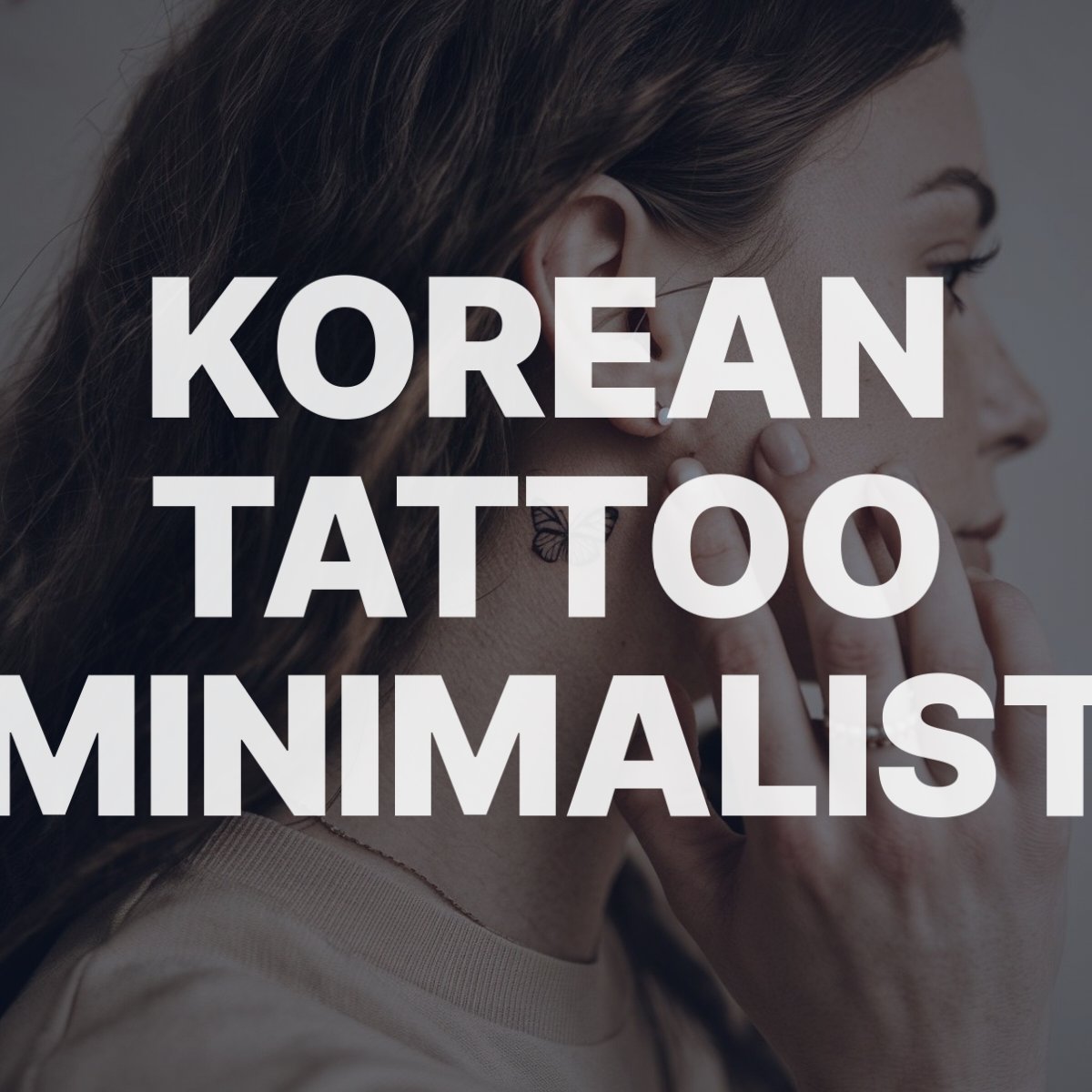
I never thought I would get a tattoo until I discovered the world of Korean minimalist tattoo art. Walking through the streets of Seoul last year, I stumbled upon a small studio showcasing delicate, understated designs that completely changed my perspective. These weren’t the bold, traditional tattoos I had seen before. They were subtle, elegant pieces that told stories through simple lines and thoughtful placement. I spent months researching artists, styles, and meanings before finally taking the plunge. The experience taught me that Korean minimalist tattoos represent more than just body art. They embody a philosophy of simplicity, intentionality, and personal expression. In this guide, I will share everything I learned about finding the right design, choosing an artist, and ensuring your tattoo remains timeless. Whether you are considering your first tattoo or adding to your collection, understanding the unique characteristics of Korean minimalist style will help you make an informed decision. My journey transformed not just my appearance but also how I think about personal style and meaningful expression.
Understanding the Unique Characteristics of Korean Minimalist Tattoo Design
When I first started exploring Korean minimalist tattoo styles, I quickly realized these designs follow distinct principles that set them apart from Western minimalism. Korean tattoo artists focus on creating pieces that blend seamlessly with the body’s natural contours. The emphasis lies on delicate linework, subtle shading, and designs that appear almost ethereal on the skin. I visited five different studios in Seoul, and each artist explained their approach to minimalism differently. However, common themes emerged. Korean minimalist tattoos typically feature fine lines that rarely exceed one millimeter in width. This creates an elegant, almost sketch-like appearance that ages beautifully over time. The designs often incorporate nature elements like flowers, leaves, branches, and celestial symbols. These motifs carry deep cultural significance in Korean tradition. Artists also prioritize negative space as much as the inked areas. This balance creates visual interest without overwhelming the eye. During my consultations, I learned that placement matters immensely. Korean minimalist tattoo artists recommend areas where the skin remains relatively stable over time. Popular locations include the inner forearm, behind the ear, along the collarbone, and on the ankle. These spots showcase the delicate work without subjecting it to excessive stretching or sun exposure. The color palette stays intentionally limited. Most Korean minimalist tattoos use only black ink, occasionally incorporating subtle grey wash for dimension. Some contemporary artists experiment with single accent colors, but traditional practitioners maintain that monochrome designs preserve the minimalist aesthetic. I chose a simple cherry blossom branch for my first piece. The artist spent an hour perfecting the design, adjusting line weights and flower placement until everything felt balanced. The consultation process revealed another key characteristic: Korean tattoo artists prioritize the client’s input while offering expert guidance. They want you to feel ownership of your design while ensuring it adheres to aesthetic principles. This collaborative approach creates tattoos that feel personal yet professionally executed. Understanding these characteristics helped me appreciate why Korean minimalist tattoos have gained international recognition and why they remain timeless additions to any style.
Finding the Right Korean Minimalist Tattoo Artist for Your Vision
Choosing the right artist proved to be the most critical decision in my tattoo journey. I spent three months researching Korean minimalist tattoo artists both in Korea and internationally. The search required patience, but finding someone whose aesthetic matched my vision made all the difference. Start by exploring Instagram and Pinterest using specific hashtags like korean minimalist tattoo artist and minimalist korean tattoo. These platforms showcase portfolio work that helps you identify artistic styles that resonate with you. I created a saved collection of designs I loved and noticed patterns in whose work consistently appealed to me. Pay attention to line quality in portfolio images. Zoom in on photos to examine how crisp and consistent the lines appear. Korean minimalist style demands precision that not every artist possesses. Look for smooth curves, even line weights, and clean intersections where lines meet. I contacted seven artists before finding my perfect match. During initial consultations, ask about their training background. Many renowned Korean minimalist tattoo artists studied traditional art forms before specializing in tattoos. This foundation shows in their ability to create balanced, aesthetically pleasing compositions. Discuss their approach to custom designs versus flash work. While flash sheets offer beautiful pre-designed options, custom pieces ensure your tattoo remains unique. My artist spent two weeks refining my design, sending multiple iterations for feedback. This level of dedication indicated her commitment to excellence. Consider geographical limitations realistically. If traveling to Korea isn’t feasible, research artists in your area who specialize in fine line work. Many Korean artists have trained international apprentices who maintain the same quality standards. I found an artist in Los Angeles who studied in Seoul for three years. Her work rivaled anything I saw in Korea. Read reviews carefully, focusing on comments about healing quality and long-term appearance. Korean minimalist tattoos require specific aftercare, and experienced artists provide detailed instructions. Check how artists handle consultations. Professional Korean minimalist tattoo artists offer thorough discussions about placement, sizing, and design modifications. They should ask about your lifestyle, sun exposure, and expectations. Trust your instincts during consultations. The right artist listens to your ideas while offering professional guidance. They explain why certain modifications might improve the design without making you feel pressured. Finding my artist felt like discovering a creative partner who understood my vision and elevated it beyond my initial concept.
Practical Tips for Choosing and Maintaining Your Korean Minimalist Tattoo
Once you have found your artist, several practical considerations ensure your Korean minimalist tattoo looks stunning for years. Size selection proved more nuanced than I expected. Korean minimalist tattoos typically range from one to four inches, though larger pieces exist. My artist recommended starting at two inches for my cherry blossom branch. This size allowed sufficient detail without overwhelming the delicate aesthetic. Smaller designs risk losing clarity as ink naturally spreads slightly over time. Consider how the design scales to your chosen body area. A design that looks perfect at three inches on your forearm might feel cramped at the same size on your ankle. Bring reference images showing your preferred minimalist tattoo size to consultations. This visual communication prevents misunderstandings. Timing your tattoo appointment matters more than most people realize. Schedule during cooler months when sun exposure decreases and heavy clothing protects healing skin. I got my tattoo in October, which gave me months of natural protection. Avoid booking appointments right before vacations involving swimming or sun exposure. Korean minimalist tattoos require pristine healing conditions to maintain their delicate appearance. Prepare your skin properly before your appointment. Moisturize the area daily for two weeks prior. Well-hydrated skin accepts ink more evenly and heals more predictably. Avoid alcohol and blood-thinning medications for 48 hours before your session. These substances can cause excessive bleeding that affects ink retention. Understand the pain levels associated with different placements. My inner forearm piece caused moderate discomfort, but the session lasted only 90 minutes. Fine line work typically requires less time than heavy shading, making Korean minimalist tattoos relatively manageable for first-timers. Aftercare determines whether your tattoo maintains its crisp appearance. My artist provided a detailed regimen I followed religiously. Wash the area twice daily with unscented antibacterial soap. Pat dry with clean paper towels rather than cloth towels that harbor bacteria. Apply a thin layer of unscented moisturizer three times daily for three weeks. Avoid petroleum-based products that can clog pores and prevent proper healing. Keep the tattoo out of direct sunlight for at least one month. Once healed, always apply SPF 50 sunscreen to tattooed areas. Sun exposure causes the most significant fading in delicate line work. I use sunscreen daily on my tattoo, even in winter. This protection has kept the lines as crisp as the day I got them. Schedule a touch-up appointment if needed. Some korean tattoo simple designs may require minor touch-ups after initial healing. This is normal and doesn’t indicate poor quality work. My artist offers complimentary touch-ups within six months. Following these practical steps ensures your Korean minimalist tattoo remains a beautiful, timeless addition to your personal style.
My journey into Korean minimalist tattoo art exceeded every expectation. The experience taught me that thoughtful preparation and careful artist selection create results that enhance rather than overwhelm personal style. Korean minimalist tattoos offer a unique approach to body art that emphasizes subtlety, elegance, and lasting beauty. The delicate nature of these designs requires finding skilled artists who understand the technical demands of fine line work. Invest time in research and consultations. Your tattoo will remain with you permanently, so rushing the decision serves no purpose. I spent months planning, and that patience resulted in a piece I love more each day. The minimalist aesthetic proves that powerful statements don’t require bold gestures. Sometimes the quietest designs make the strongest impact. Consider how a Korean minimalist tattoo might complement your existing style rather than define it entirely. These pieces work beautifully as standalone art or as the foundation for future additions. Proper aftercare and sun protection ensure your investment maintains its pristine appearance for decades. The commitment to maintenance reflects the intentionality that makes Korean minimalist tattoos special. If you are ready to explore this beautiful art form, start by researching artists and collecting design inspiration. Trust the process, communicate openly with your chosen artist, and prepare for a transformative experience that goes beyond simple decoration.
Frequently Asked Questions
❓ What is Korean tattoo Minimalist?
Korean minimalist tattoos represent a distinctive style characterized by delicate fine lines, subtle designs, and intentional use of negative space. These tattoos typically feature nature-inspired motifs like flowers, branches, and celestial elements rendered in black ink. The aesthetic emphasizes simplicity and elegance, creating pieces that integrate seamlessly with the body rather than dominating it. Korean artists apply traditional art principles to create balanced, timeless designs that age gracefully. This style differs from Western minimalism through its focus on cultural symbolism and exceptionally fine linework, often less than one millimeter wide, creating an almost ethereal appearance on skin.
❓ How can I get started?
Begin by researching Korean minimalist tattoo artists through Instagram and Pinterest using relevant hashtags. Create a collection of designs that appeal to you to identify patterns in your preferences. Examine portfolio images closely, zooming in to check line quality and consistency. Contact multiple artists for consultations, asking about their training background and approach to custom designs. Discuss placement options based on your lifestyle and sun exposure. Prepare a list of questions about healing, aftercare, and touch-up policies. Schedule consultations during cooler months to allow optimal healing conditions. Start with a smaller design to experience the process before committing to larger pieces.
❓ What are common mistakes?
The biggest mistake involves rushing artist selection without thoroughly examining portfolio quality and line work precision. Many people choose designs that are too small, causing details to blur as ink naturally spreads over time. Neglecting proper aftercare, especially sun protection, leads to premature fading of delicate lines. Scheduling appointments before beach vacations or during summer months exposes healing tattoos to damaging conditions. Selecting placement areas subject to significant stretching or friction compromises long-term appearance. Choosing artists based solely on price rather than skill level often results in disappointing outcomes. Failing to communicate clearly about expectations during consultations creates mismatched results between vision and reality.